
Analysing Spikes in site: Operator Queries in Google Search Console
Some websites are seeing sharp increases in site: operator queries in Search Console performance reports. Explore possible causes, measurement effects and diagnostic responses.
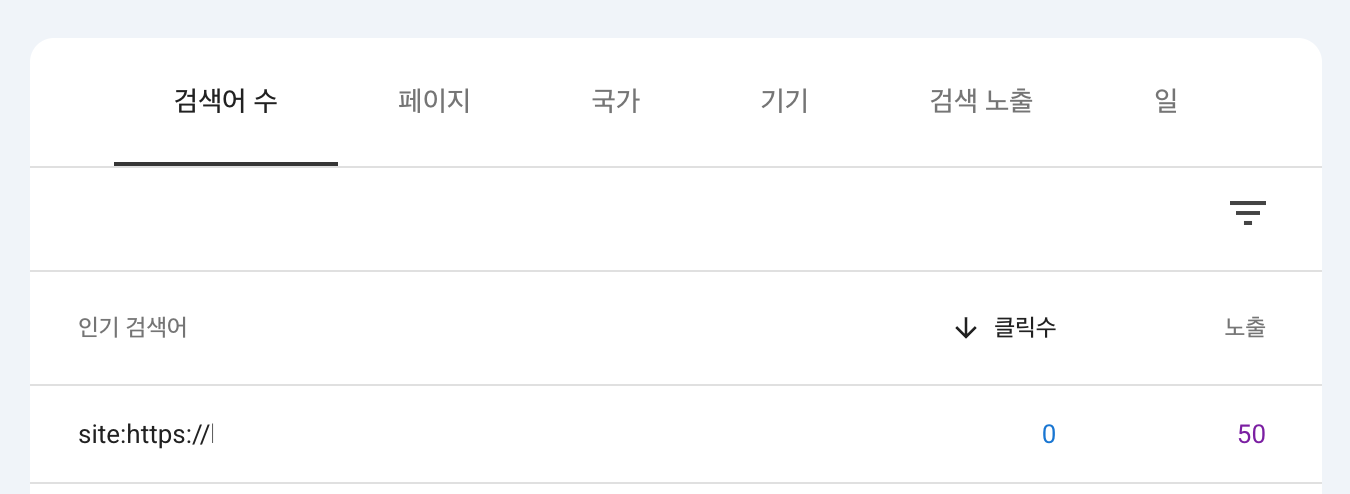
Some websites have observed sharp increases in queries beginning with the site: operator in Google Search Console
performance reports. Such reports usually describe queries that expose or lead to clicks on website URLs. Large numbers of site:yourdomain.com or site:yourdomain.com/folder?q=keyword queries differ from typical human discovery behaviour.
The article treats this as more than reporting noise: a diagnostic signal potentially associated with automation, technical defects, security issues or AI search activity. It examines possible mechanisms, metric effects and a practical response.
1. Possible Causes and Mechanisms#
Several external and internal factors may interact.
The first explanation discussed is AI-agent fallback search and query fan-out[1]. The Korean article describes experiments suggesting that systems using Bing may consult Google snippets where pages are missing or insufficiently current, submitting automated operator queries to verify sources. It proposes that repeated subqueries can contribute to impression spikes.
A second possibility is SEO spam or hacking. Attackers may exploit CMS or plugin weaknesses to inject pages involving gambling, pharmaceuticals or finance, cloak them for crawlers, and use automated operator searches to check indexing. Such activity can create unusual exposure patterns.
A third mechanism is URL bloat from internal search. Bots can inject operator text into search fields and create parameterised URLs. If search-result pages remain indexable, crawling and indexing can amplify the problem.
Fourth, competitor-monitoring bots, scrapers and rank trackers may submit regular automated searches to check domain indexing or category visibility, contributing impressions without meaningful clicks.
Finally, the article discusses crawling reassessment and reporting backlogs as possible contributors to temporary spikes involving blocked or non-canonical URL variants.
| Possible Cause | Mechanism Described | Potential Metric Effect | Risk |
|---|---|---|---|
| AI-agent activity | Operator queries and fallback snippet retrieval | Long queries, impressions without clicks, reporting distortion | Neutral / opportunity if verified |
| SEO spam or hacking | Injected pages, cloaking and index checks | Large spikes, irrelevant queries and few clicks | Critical |
| Internal-search parameter abuse | Dynamic URL generation | Index bloat and lower CTR | High |
| Rank trackers and bots | Automated SERP checks | Persistent impressions and position volatility | Moderate |
| Reporting volatility | Reassessment and processing backlog | Temporary spikes followed by declines | Low |
2. Interpretation: Opportunity or Problem?#
Do not interpret higher operator-query impressions automatically as greater customer reach. Separate AI-search hypotheses from security and technical health.
If independently verified, source-checking activity by an AI system could indicate that content is being considered for answers[2], potentially relevant to GEO and AEO.
For measurement, automated impressions without human clicks can distort aggregate CTR and average position, obscuring the performance of commercially relevant queries. Mixing benign automation with malicious activity makes interpretation harder.
Crawl-budget waste and spam risks are more serious[3]. Large numbers of unnecessary URLs may delay discovery of important products or content. Leaving hacked or automatically generated spam unresolved can damage the domain’s search quality.
| Assessment Area | Potential Effect | Assessment |
|---|---|---|
| AI search visibility | Possible source checking or citation, if verified | Opportunity |
| Measurement accuracy | Artificial exposure distorts CTR and position | Problem |
| Crawling efficiency | Parameter URLs consume limited capacity | Problem |
| Security | Spam, cloaking or injected scripts | Critical |
| Overall | Investigate opportunities while removing contamination and risk | Action required |
3. A Practical Response for SEO Teams#
Use a five-part process covering measurement, AI access, security, Technical SEO and index management.
Clean Performance Reports with a Regex Filter#
Separate operator-query noise from ordinary acquisition. In Search Console’s Performance report, add a query filter, select Custom (regex) and Doesn’t match regex, then enter:
(?i)^site:
This excludes queries beginning with the operator, regardless of case, from that reporting view. It does not remove records from Google’s underlying data.
Review Bing Indexing and AI Accessibility#
The original article proposes missing or stale Bing indexing as a reason for AI fallback activity and recommends:
- Submit a sitemap through Bing Webmaster Tools and implement IndexNow to notify supported engines of changes.
- Check relevant AI crawler access in
robots.txtand verify that meaningful content is available as static HTML or server-rendered text. Use URL inspection to examine the rendered page.
Investigate Security and Spam#
Review the Security Issues report in Search Console. Search for operator queries combined with unrelated terms, such as site:yourdomain.com casino, to identify suspicious pages. Examine access logs for abnormal requests to /search, ?s= and ?q=, and address malicious sources where supported by evidence.
Control Dynamic URLs and Technical SEO#
Address the structures allowing unwanted pages to be indexed. Internal search results can use:
<meta name="robots" content="noindex, follow">
Alternatively, an HTTP response can include X-Robots-Tag: noindex, follow. The source also recommends canonical tags for parameter variants that represent an original page and 410 Gone responses for permanently removed spam pages.
Clean the Index and Improve Crawling#
Use Search Console’s Removals tool where urgent temporary hiding of spam URLs is necessary. Resubmit a clean sitemap of legitimate pages. The article also proposes a temporary sitemap of removed spam URLs to help crawlers encounter their 410 responses.
| Stage | Action | Mechanism | Intended Benefit |
|---|---|---|---|
| 1. Measurement | Separate reporting noise | Doesn’t match regex: (?i)^site: [cite: 8] | Clearer clicks and CTR |
| 2. AI search | Review Bing discovery | Webmaster Tools and IndexNow | Better discovery; assess fallback hypotheses |
| 3. Security | Diagnose hacking and cloaking | Security reports, query checks and logs | Identify malicious activity |
| 4. Technical SEO | Limit internal-search indexing | noindex, follow [cite: 14] | Reduce unnecessary indexed URLs |
| 4. Technical SEO | Remove spam permanently | HTTP 410 Gone | Signal permanent removal |
| 5. Index management | Hide urgent exposure | Search Console Removals | Protect users and the brand |
A spike in site: queries should prompt investigation, not an automatic diagnosis. It may coincide with security problems, parameter abuse or automation. The article also considers AI source-checking as a possible explanation.
Filter reporting noise, review Bing discovery and crawler access, and combine internal-search indexing controls, appropriate removal responses and security checks. Maintaining this technical hygiene[4] helps teams distinguish genuine search performance from misleading signals and build sustainable visibility across traditional and AI search.